CASE STUDY
CVS Health
Product Design
Design Systems
Accessibility
Year
2022-2023
Industry
Healthcare
Space of work
Enterprise Product
Timeline
13 momnths
OVERVIEW
Redesigning the Pre Check-In experience at CVS Health
I worked as a Senior Experience Designer on the CVS Health design system and the end-to-end Pre Check-In flow for MinuteClinic. The work covered two connected tracks: evolving the legacy design system to align with updated brand guidelines, and applying that system to redesign one of the most fragmented patient-facing flows in the product.
OVERVIEW
Redesigning the Pre Check-In experience at CVS Health
I worked as a Senior Experience Designer on the CVS Health design system and the end-to-end Pre Check-In flow for MinuteClinic. The work covered two connected tracks: evolving the legacy design system to align with updated brand guidelines, and applying that system to redesign one of the most fragmented patient-facing flows in the product.
OVERVIEW
Redesigning the Pre Check-In experience at CVS Health
I worked as a Senior Experience Designer on the CVS Health design system and the end-to-end Pre Check-In flow for MinuteClinic. The work covered two connected tracks: evolving the legacy design system to align with updated brand guidelines, and applying that system to redesign one of the most fragmented patient-facing flows in the product.
THE PROBLEM
A critical flow built without a shared foundation
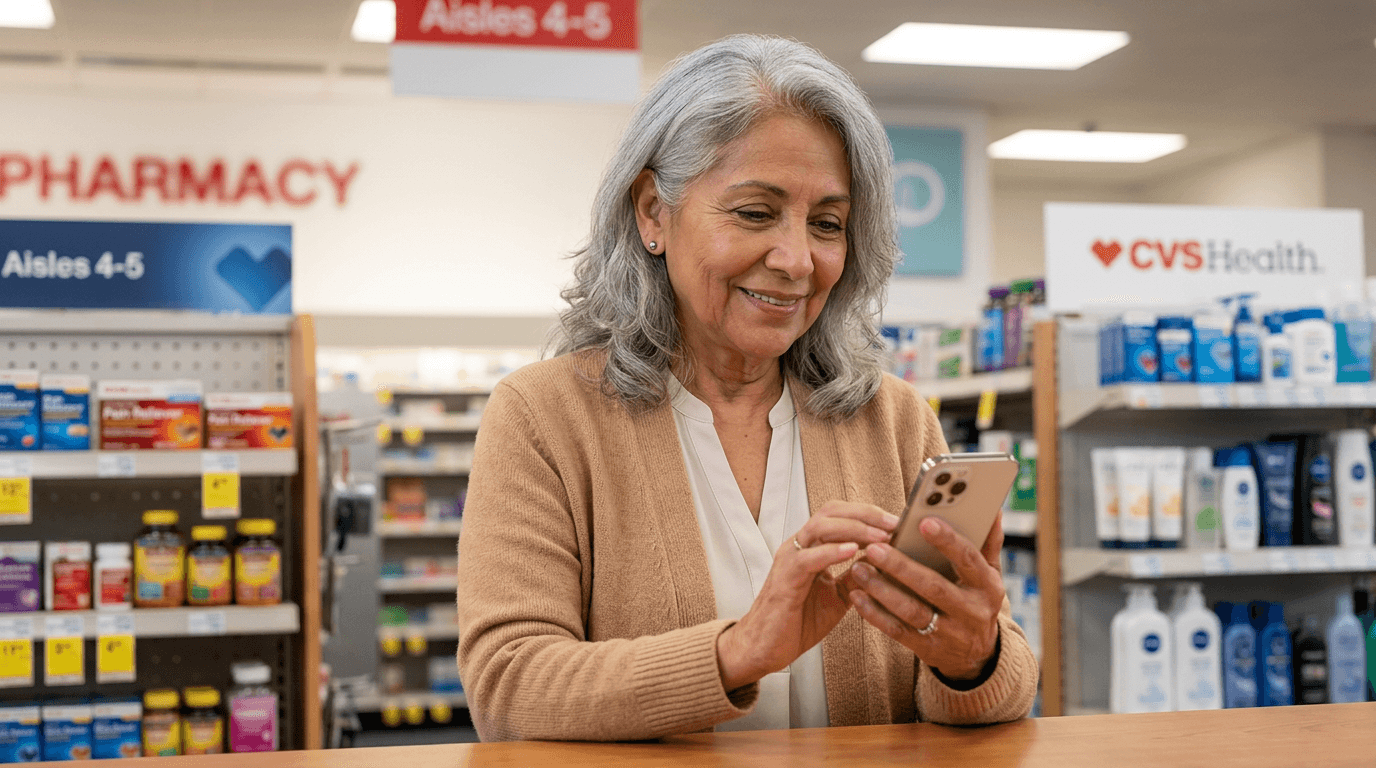
Patients arriving at MinuteClinic to check in before a clinical visit were navigating a flow that had been patched together over time. Insurance capture, consent forms, personal information, and scheduling all existed as separate, inconsistently styled steps with no shared pattern language. The result was high drop-off, repeated errors, and staff time spent resolving check-in issues that should have been handled before the patient walked in.
THE PROBLEM
A critical flow built without a shared foundation
Patients arriving at MinuteClinic to check in before a clinical visit were navigating a flow that had been patched together over time. Insurance capture, consent forms, personal information, and scheduling all existed as separate, inconsistently styled steps with no shared pattern language. The result was high drop-off, repeated errors, and staff time spent resolving check-in issues that should have been handled before the patient walked in.
THE PROBLEM
A critical flow built without a shared foundation
Patients arriving at MinuteClinic to check in before a clinical visit were navigating a flow that had been patched together over time. Insurance capture, consent forms, personal information, and scheduling all existed as separate, inconsistently styled steps with no shared pattern language. The result was high drop-off, repeated errors, and staff time spent resolving check-in issues that should have been handled before the patient walked in.
THE GOAL
Build a system first. Then fix the flow.
The Pre Check-In flow had two connected problems. The design system it was built on hadn't kept pace with an updated brand direction, and the flow itself had accumulated inconsistencies across every step. Fixing one without fixing the other would just recreate the same problem in better-looking screens. My goal was to work in sequence: align the system to the updated brand standards first, then apply that system to redesign the Pre Check-In experience end to end.
THE GOAL
Build a system first. Then fix the flow.
The Pre Check-In flow had two connected problems. The design system it was built on hadn't kept pace with an updated brand direction, and the flow itself had accumulated inconsistencies across every step. Fixing one without fixing the other would just recreate the same problem in better-looking screens. My goal was to work in sequence: align the system to the updated brand standards first, then apply that system to redesign the Pre Check-In experience end to end.
THE GOAL
Build a system first. Then fix the flow.
The Pre Check-In flow had two connected problems. The design system it was built on hadn't kept pace with an updated brand direction, and the flow itself had accumulated inconsistencies across every step. Fixing one without fixing the other would just recreate the same problem in better-looking screens. My goal was to work in sequence: align the system to the updated brand standards first, then apply that system to redesign the Pre Check-In experience end to end.
RESEARCH & INSIGHTS
Healthcare tasks happen under pressure
Patients completing Pre Check-In are often managing time, anxiety, or both. They need to know exactly what's being asked and why. Research confirmed that unclear labeling, redundant steps, and inconsistent form patterns were the primary drop-off triggers, not the length of the flow.
RESEARCH & INSIGHTS
Healthcare tasks happen under pressure
Patients completing Pre Check-In are often managing time, anxiety, or both. They need to know exactly what's being asked and why. Research confirmed that unclear labeling, redundant steps, and inconsistent form patterns were the primary drop-off triggers, not the length of the flow.
RESEARCH & INSIGHTS
Healthcare tasks happen under pressure
Patients completing Pre Check-In are often managing time, anxiety, or both. They need to know exactly what's being asked and why. Research confirmed that unclear labeling, redundant steps, and inconsistent form patterns were the primary drop-off triggers, not the length of the flow.
What I learned:
01
Predict the next step for them"
Patients aren't confused by length. They're confused by surprise. Every step needs to signal what comes next.
02
Forms are where trust breaks down
Ambiguous labels and missing validation states were the top source of drop-off in the flow.
03
The patient population is wide
Age range, device type, and ability level vary significantly. The interface has to hold up across all of them.
04
Inconsistency reads as error
When patterns shift mid-flow, patients assume something went wrong. Consistency is what keeps them moving.
SYSTEM EVOLUTION
Standardizing the experience across the product
The legacy experience relied on inconsistent patterns, unclear hierarchy, and limited accessibility. Each screen solved the problem differently, which created confusion for users and made it harder for teams to build consistently. The updated system introduced a clear structure across every screen. Typography, color, and components were standardized to improve readability, accessibility, and usability. The result is a more consistent experience that is easier to navigate, easier to build, and easier to scale.
SYSTEM EVOLUTION
Standardizing the experience across the product
The legacy experience relied on inconsistent patterns, unclear hierarchy, and limited accessibility. Each screen solved the problem differently, which created confusion for users and made it harder for teams to build consistently. The updated system introduced a clear structure across every screen. Typography, color, and components were standardized to improve readability, accessibility, and usability. The result is a more consistent experience that is easier to navigate, easier to build, and easier to scale.
SYSTEM EVOLUTION
Standardizing the experience across the product
The legacy experience relied on inconsistent patterns, unclear hierarchy, and limited accessibility. Each screen solved the problem differently, which created confusion for users and made it harder for teams to build consistently. The updated system introduced a clear structure across every screen. Typography, color, and components were standardized to improve readability, accessibility, and usability. The result is a more consistent experience that is easier to navigate, easier to build, and easier to scale.
DESIGN SYSTEM APPLICATION
One system. Every step.
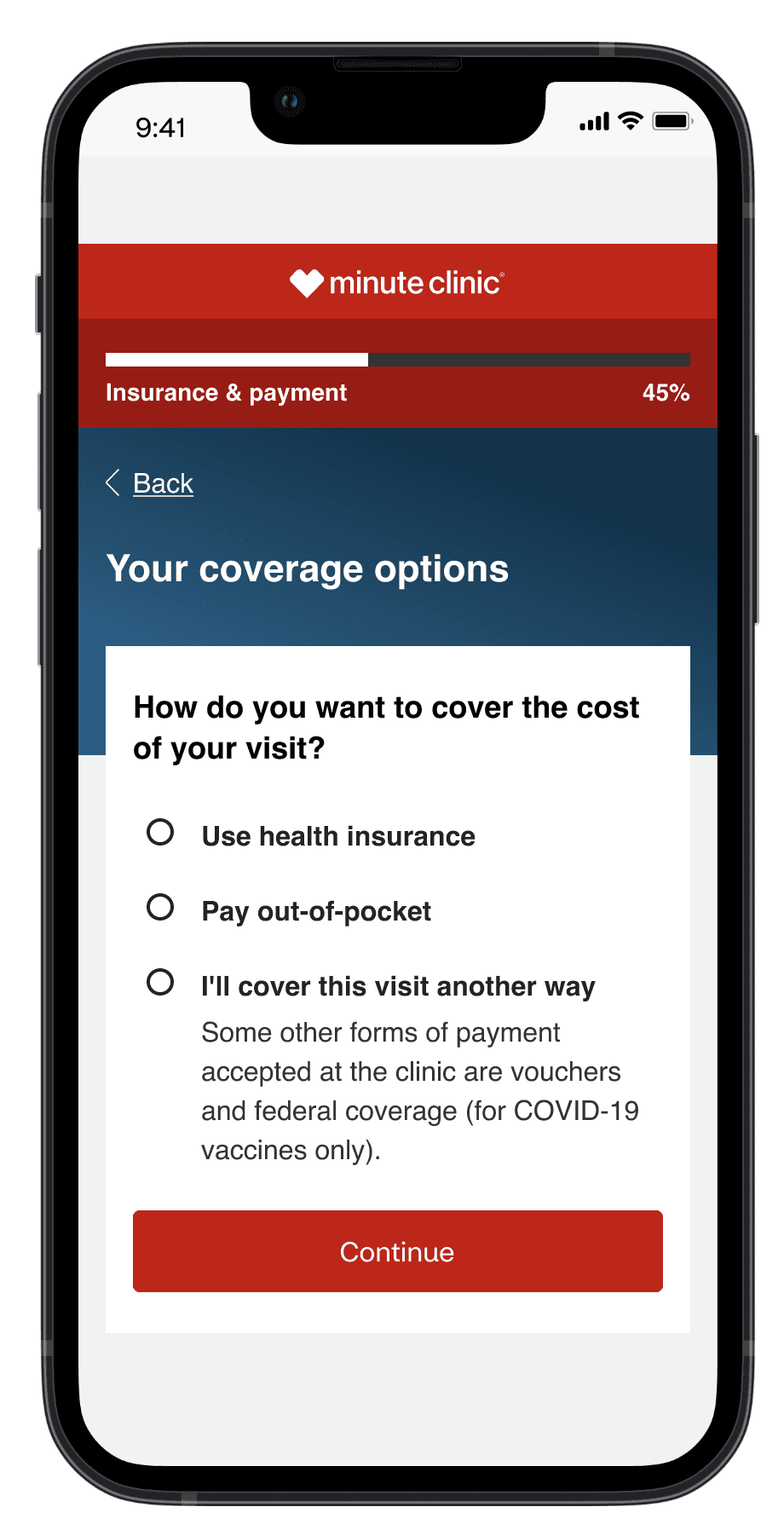
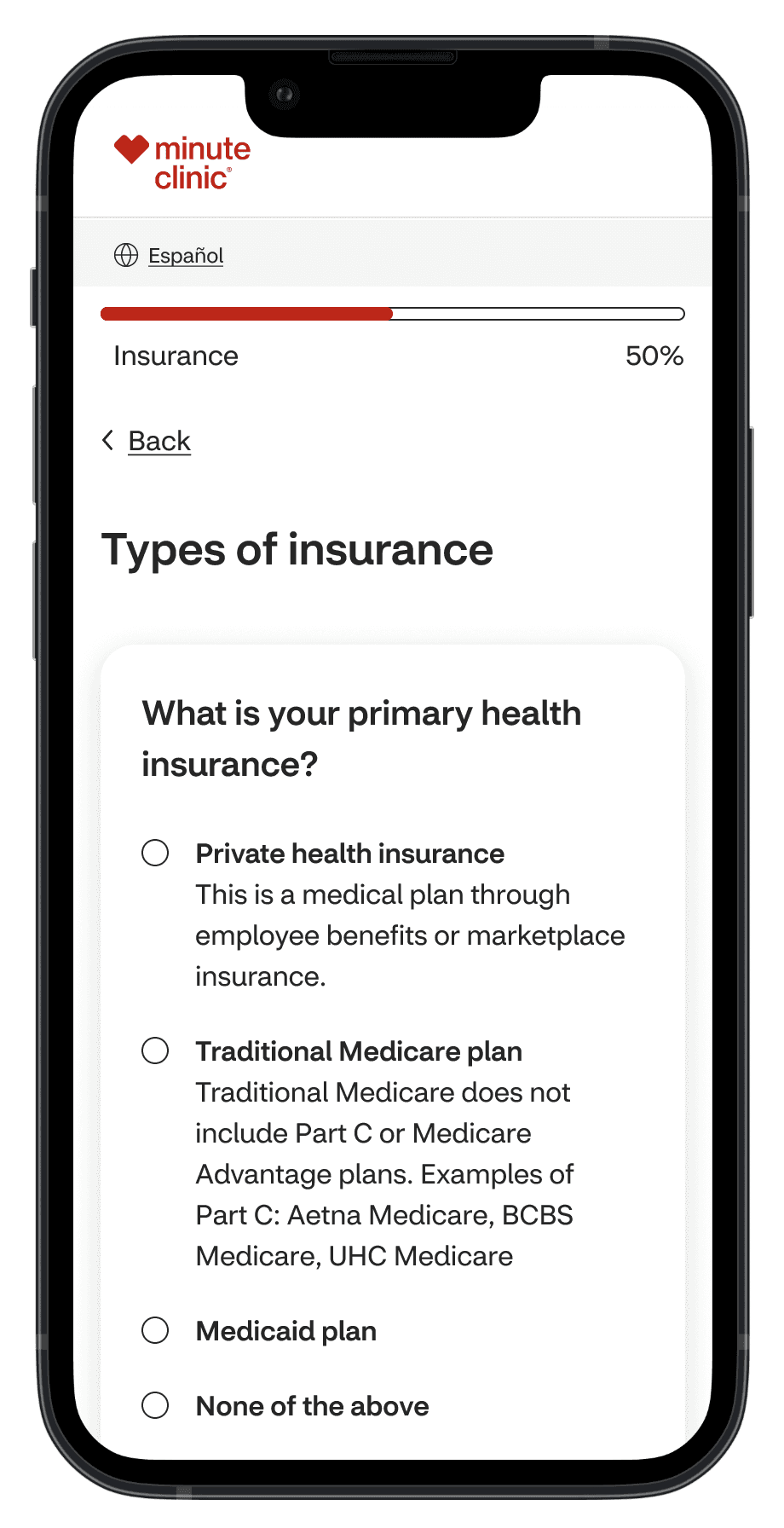
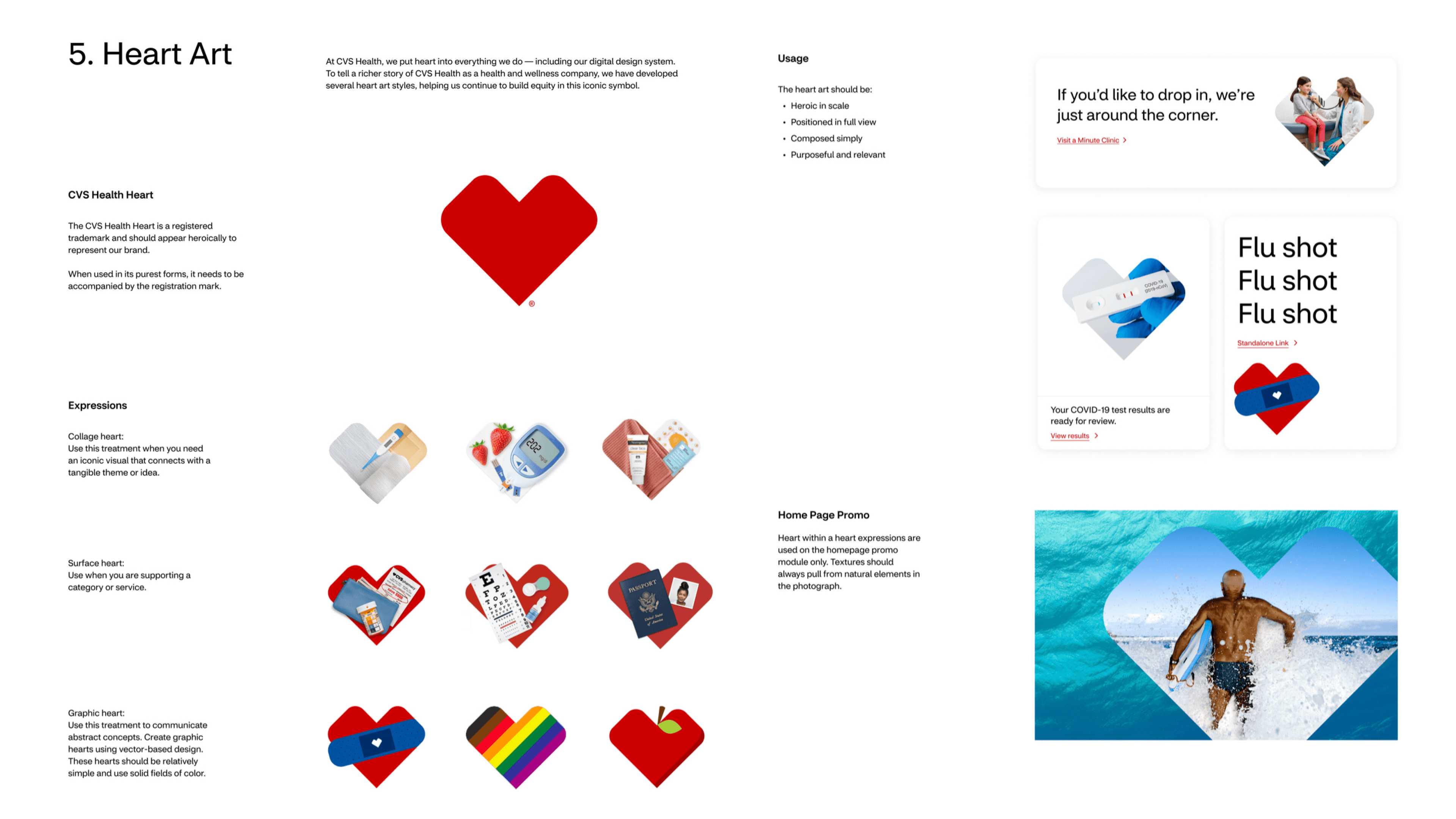
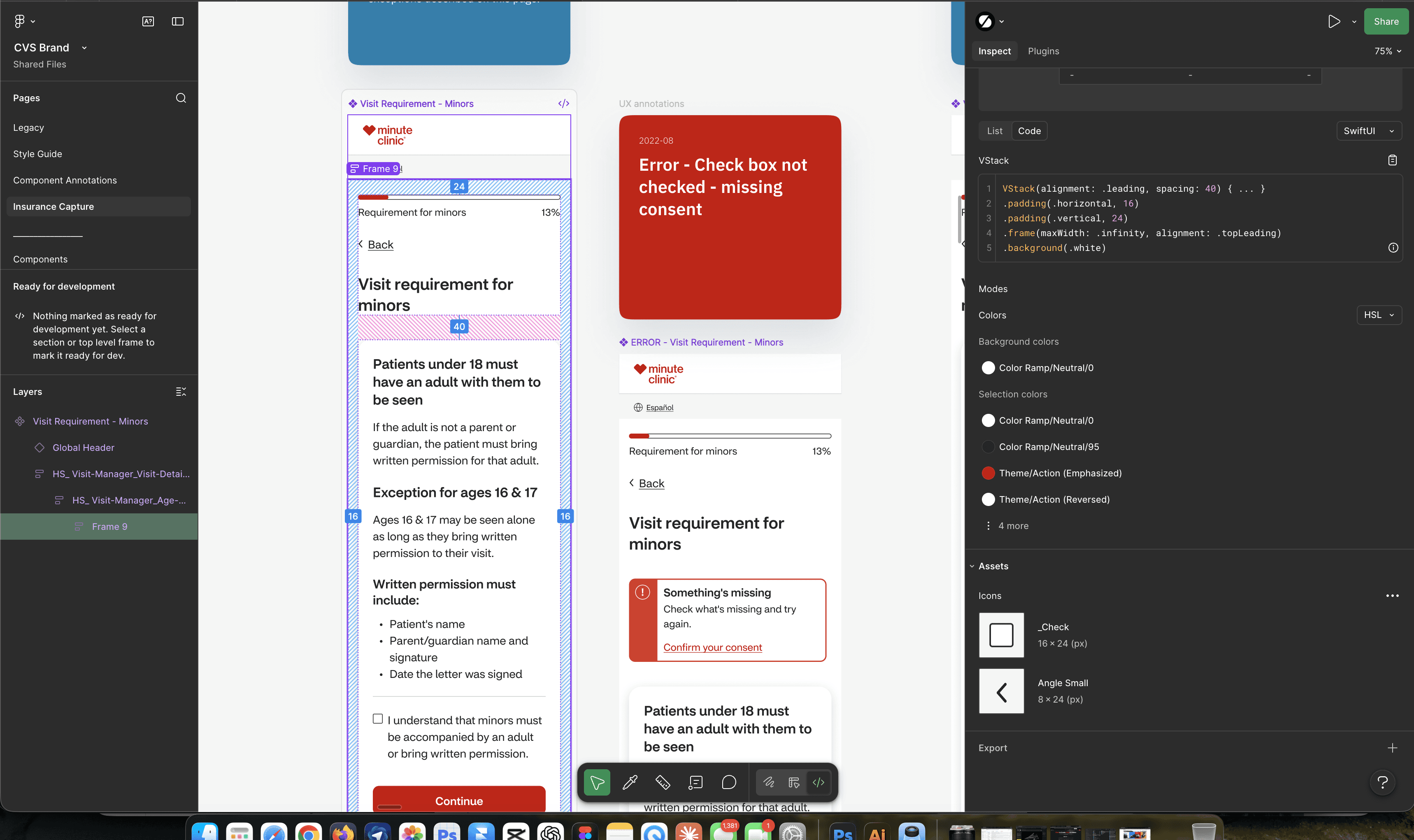
The CVS Health design system provided the foundational components, tokens, and guidelines needed to create consistent, scalable, and accessible experiences across all products. My work involved aligning the existing system to updated brand standards, expanding the component library, and documenting usage patterns for product and marketing teams.
DESIGN SYSTEM APPLICATION
One system. Every step.
The CVS Health design system provided the foundational components, tokens, and guidelines needed to create consistent, scalable, and accessible experiences across all products. My work involved aligning the existing system to updated brand standards, expanding the component library, and documenting usage patterns for product and marketing teams.
DESIGN SYSTEM APPLICATION
One system. Every step.
The CVS Health design system provided the foundational components, tokens, and guidelines needed to create consistent, scalable, and accessible experiences across all products. My work involved aligning the existing system to updated brand standards, expanding the component library, and documenting usage patterns for product and marketing teams.
KEY SCREENS
Guided, not just functional
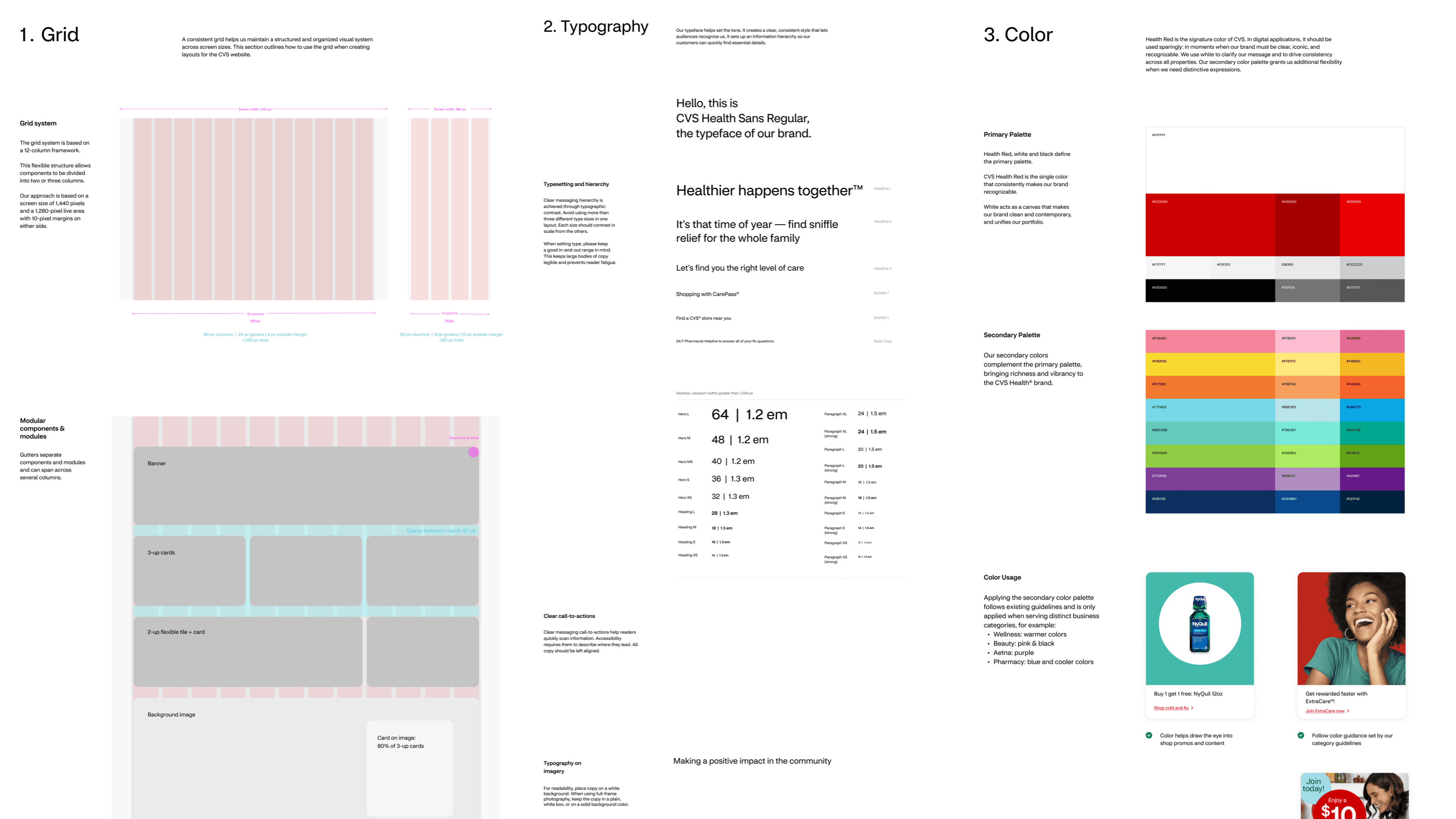
I designed each screen to reduce uncertainty at every step. Patients could see exactly where they were in the process and what was coming next. Progress indicators reflected actual completion rather than arbitrary step numbers. The flow was structured to feel like it was working with the patient, not against them.
KEY SCREENS
Guided, not just functional
I designed each screen to reduce uncertainty at every step. Patients could see exactly where they were in the process and what was coming next. Progress indicators reflected actual completion rather than arbitrary step numbers. The flow was structured to feel like it was working with the patient, not against them.
KEY SCREENS
Guided, not just functional
I designed each screen to reduce uncertainty at every step. Patients could see exactly where they were in the process and what was coming next. Progress indicators reflected actual completion rather than arbitrary step numbers. The flow was structured to feel like it was working with the patient, not against them.
ACCESSIBILITY
Built for the full patient population
Healthcare users span every age, device type, and ability level. Contrast ratios, touch targets, and label hierarchies were validated against WCAG standards from the beginning — not retrofitted at the end. The result was a flow that performed consistently across the patient population CVS actually serves.
ACCESSIBILITY
Built for the full patient population
Healthcare users span every age, device type, and ability level. Contrast ratios, touch targets, and label hierarchies were validated against WCAG standards from the beginning — not retrofitted at the end. The result was a flow that performed consistently across the patient population CVS actually serves.
ACCESSIBILITY
Built for the full patient population
Healthcare users span every age, device type, and ability level. Contrast ratios, touch targets, and label hierarchies were validated against WCAG standards from the beginning — not retrofitted at the end. The result was a flow that performed consistently across the patient population CVS actually serves.
DEV HANDOFF
No guesswork at implementation
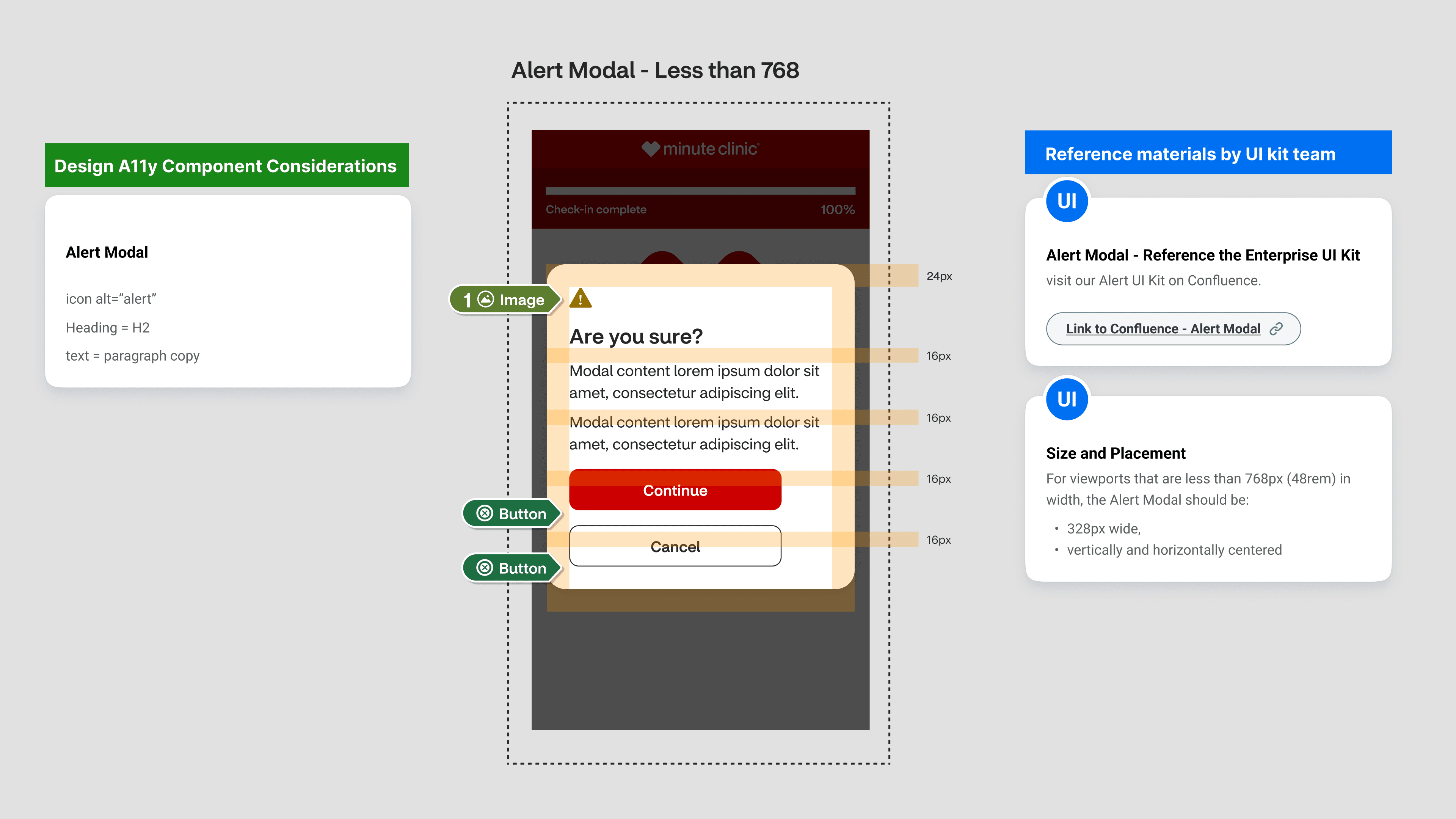
Tokens and components were documented with engineering in mind. Interaction states, edge cases, and responsive behavior were specified within the system — not in one-off annotations. This closed the gap between what was designed and what shipped.
DEV HANDOFF
No guesswork at implementation
Tokens and components were documented with engineering in mind. Interaction states, edge cases, and responsive behavior were specified within the system — not in one-off annotations. This closed the gap between what was designed and what shipped.
DEV HANDOFF
No guesswork at implementation
Tokens and components were documented with engineering in mind. Interaction states, edge cases, and responsive behavior were specified within the system — not in one-off annotations. This closed the gap between what was designed and what shipped.
KEY LEARNINGS
The drop-off wasn't the problem. The unpredictability was.
Patients weren't leaving because the flow was long. They were leaving because they didn't know what to expect next. That's a systems problem. Fixing it required a shared foundation, not more screens. Predictability at every step is what makes a healthcare flow feel trustworthy.
KEY LEARNINGS
The drop-off wasn't the problem. The unpredictability was.
Patients weren't leaving because the flow was long. They were leaving because they didn't know what to expect next. That's a systems problem. Fixing it required a shared foundation, not more screens. Predictability at every step is what makes a healthcare flow feel trustworthy.
KEY LEARNINGS
The drop-off wasn't the problem. The unpredictability was.
Patients weren't leaving because the flow was long. They were leaving because they didn't know what to expect next. That's a systems problem. Fixing it required a shared foundation, not more screens. Predictability at every step is what makes a healthcare flow feel trustworthy.
What I learned:
01
Clarity matters more than speed
Patients want to understand what’s happening at every step
02
Forms create the most friction
Complex inputs slow users down and increase errors
03
Accessibility is not optional
Users rely on readable, structured interfaces to complete tasks
04
Inconsistency creates hesitation
Changing patterns reduce trust and confidence